Kannauj Country: A Fragrance Trail Through North India’s Past
Global Perfume Trail — India #1
On the scent trail of attar, copper stills, and monsoon earth.
You don’t arrive in Kannauj with a checklist in hand. You arrive with your senses turned up.
Out on the Gangetic plain—India’s fertile “middle country,” where empires once rose and fell—Kannauj sits quietly in Uttar Pradesh, a town whose most famous export isn’t a monument or a manuscript, but a scent. In lanes near the bazaars, behind unshowy shopfronts, copper stills warm and breathe. Rose, jasmine, vetiver, herbs, woods—sometimes even earth—are coaxed into attar (itr/ittra): concentrated perfume that feels less like a product and more like a memory you can wear.
This is Kannauj country—history in one hand, fragrance in the other.
Why Kannauj matters in India’s historical imagination
Kannauj is known in older sources as Kanyakubja, and it rose to particular prominence under Emperor Harsha (606–647 CE), who made it his imperial capital—an era that still anchors the town’s historical identity.
Later, its strategic value was so high that rival dynasties fought over it in the Tripartite Struggle—sometimes described as the “Kannauj Wars”—because holding Kannauj signalled real power in North India.
That legacy helps explain why a specialist craft like perfumery could flourish here. Wealth, patronage, trade routes, and artisan networks converged—spices, resins, perfumed woods, textiles, food, and cosmetics moving through the same commercial bloodstream.
The perfume city: what Kannauj makes (and why it’s protected)
Kannauj’s perfume identity is deeply linked to attar-making, using the traditional hydrodistillation technique known as deg–bhapka, with production often described as a centuries-old tradition.
Today, “Kannauj Perfume” holds Geographical Indication (GI) registration—an intellectual property protection that ties a product’s reputation and characteristics to its place of origin, and helps prevent misuse of the name.
For a visitor, GI status is a quiet reassurance: you’re not just buying “a smell.” You’re stepping into a place-based craft economy with rules, history, and identity.
Inside the still: the deg–bhapka method
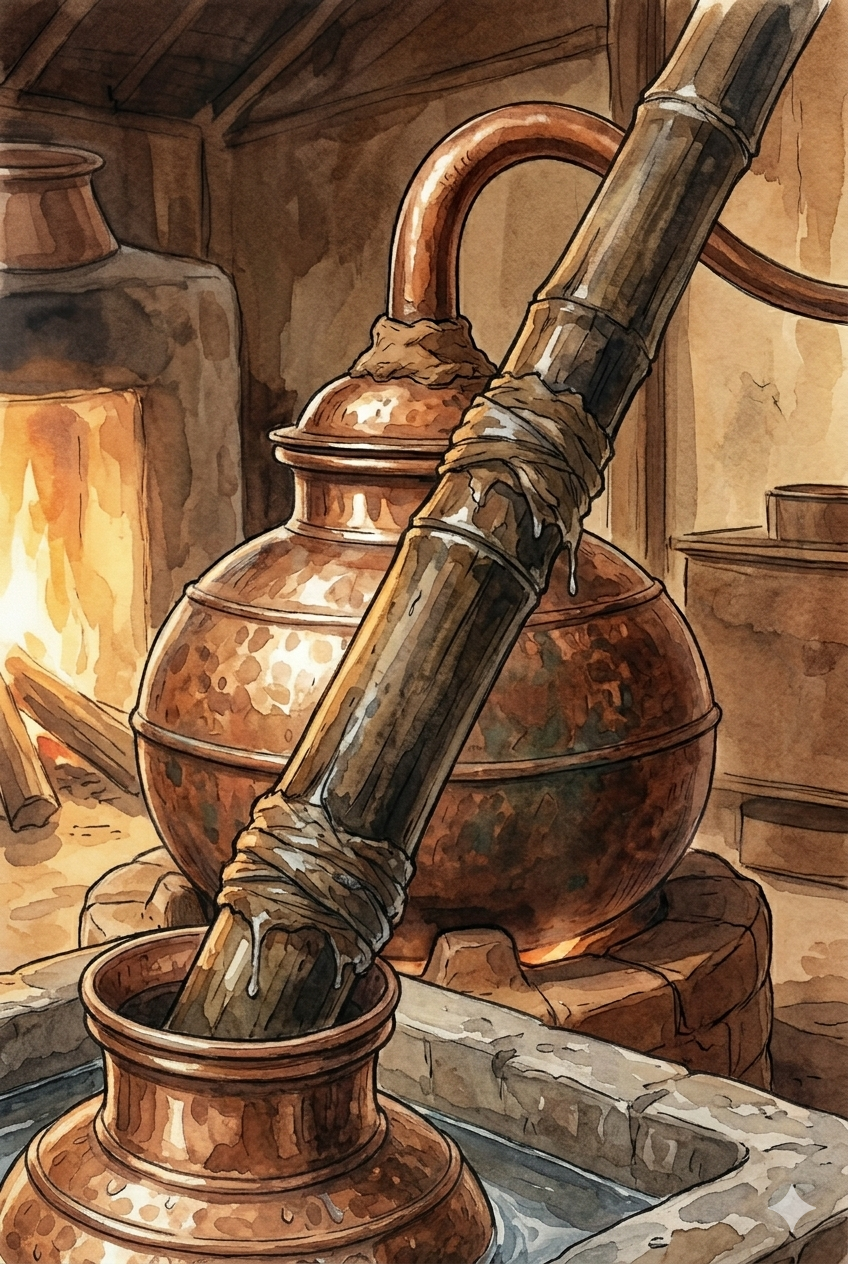
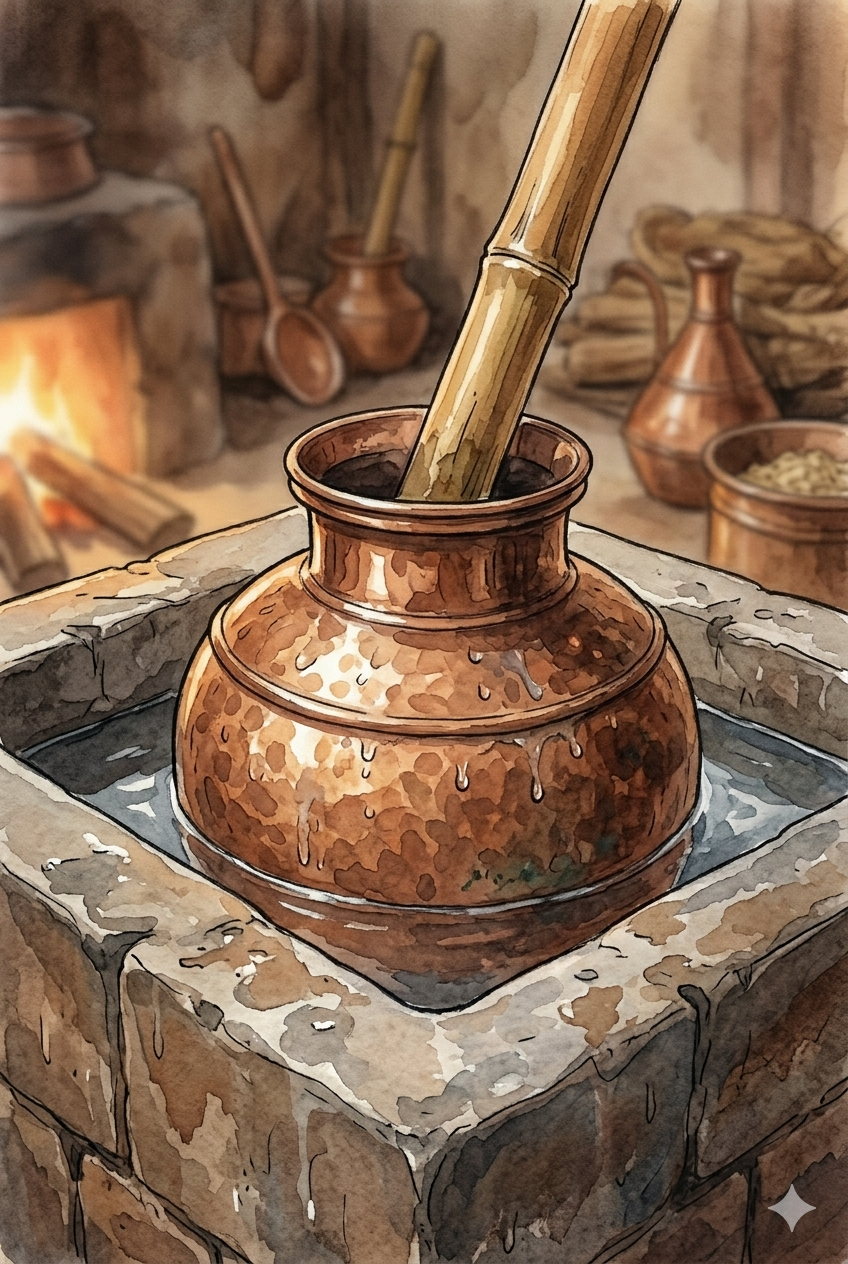
The traditional setup is more like a kitchen than a lab:
Deg: a copper still where botanicals are heated
Bhapka: a copper receiver holding the base (traditionally sandalwood oil), where vapours condense
Chonga: a bamboo pipe linking still to receiver
Cooling tank: the receiver sits in water so vapours condense without a separate condenser